
Unveiling the Digital Arts and Humanities: An In-Depth Guide
- Posted: January 14, 2024
- Category: Research insights
Have you ever wondered how technology changes the way we create art and explore our history? Welcome to an exciting exploration of Digital Arts and Humanities! These fields are where creativity meets technology, leading us to new ways of understanding art and culture.
Digital Arts: Where Art Meets Technology
Digital Arts is all about using digital technology in artistic creation. Imagine artists using software and computers instead of traditional brushes and canvas. This field includes everything from digital painting and graphic design to 3D animation and virtual reality art. It's a playground for creativity, where artists push boundaries and explore new possibilities.
Digital Humanities: A New Lens on Human Culture
Now, let's talk about Digital Humanities. It might sound a bit academic, but it's actually really fascinating. This field uses digital tools to study everything from literature and history to languages and music. Think of it as a new lens, helping us see our cultural heritage in a different light. By using methods like data analysis and digital mapping, scholars can uncover new insights into our past.
Why It Matters
So, why should you care about Digital Arts and Humanities? Because they're changing the way we understand and interact with art and culture. These fields make art more accessible and engaging, and they help us see our history in new and exciting ways. They're not just for artists and scholars; they're for anyone curious about the intersection of culture, technology, and innovation. If you are overwhelmed with your writing tasks, consider using our write my essay for me service. Team of professional writers can assist you by providing additional visual, text data or writing the whole paper.
Defining Digital Arts and Humanities
Let's dive into what Digital Arts really means. It's a world where artists use digital technology to create their work. Think of it like traditional art, but with a modern twist. Digital artists might use software to draw, design in 3D, or even create interactive experiences. This isn't just about making pictures on a computer; it's about exploring new ways to express creativity.
Now, onto Digital Humanities. This field might seem complex, but it's actually pretty straightforward. It's all about using digital tools to study traditional subjects like history, literature, and languages. Scholars in this field might use computers to analyze texts, create digital maps, or organize historical data. It's a fresh approach to understanding human culture and history.
The Intersection of Art and Technology
One of the coolest things about Digital Arts and Humanities is how they blend art and technology. Artists and scholars use computers and software as tools to create new kinds of art and explore human culture in innovative ways. It's a blend of the old and the new, bringing a fresh perspective to both fields.
Digital Arts: A Diverse and Dynamic Field
Digital Arts is incredibly diverse. It includes everything from digital photography and video to animation and virtual reality. These forms of art are not just visually stunning; they often make us think and feel in ways traditional art can't. They can be interactive, immersive, and sometimes even change in real-time.
Digital Humanities: Beyond the Traditional
In Digital Humanities, technology opens up new ways to explore human culture. It's not just about reading old texts; it's about finding patterns, visualizing data, and making connections we couldn't see before. This field makes the study of humanities more dynamic, allowing us to ask new questions and find new answers.
Historical Context of Digital Arts and Humanities
Digital Arts didn't just appear overnight. It's a field that has grown and evolved over time. Let's take a quick trip back in history. It all started with early computer-generated art in the mid-20th century. Artists began experimenting with computers, which were pretty basic back then. They saw these machines as a new way to create art. Fast forward to today, and digital art has exploded into a world of 3D models, digital painting, and even art in virtual reality.
Now, let's talk about the history of Digital Humanities. This field is a bit younger than Digital Arts. It began when scholars started using computers for research in the humanities. In the early days, this meant simple data analysis. But as technology advanced, so did the tools and methods. Today, Digital Humanities includes everything from digital archiving to complex text analysis, helping us understand our history and culture in new ways.
The Impact of Technology on Art and Humanities
It's fascinating to see how technology has changed art and humanities. In both fields, the digital revolution has opened up new possibilities. For artists, technology has brought new tools and mediums to explore. For scholars, it's a way to analyze and interpret information like never before. This intersection of technology with traditional practices has truly transformed how we create and study art and culture.
Milestones in Digital Arts and Humanities
There have been some key moments in the history of these fields. Think of the first digital animations or the early use of computers to map historical events. These milestones mark the journey of how digital technology has been integrated into arts and humanities. They show us how far we've come and hint at where we might be going next.
Key Concepts and Technologies in Digital Arts and Humanities
In Digital Arts, there are some key ideas that make everything tick. First up, we have interactivity. This is where art becomes something you can touch and interact with, not just look at. Think of art installations where moving around changes what you see or hear. Next, there's multimedia. This means using more than one medium – like combining video, sound, and text – to create something new and exciting. Lastly, we've got virtual reality (VR), which takes you into a completely different world, all through a headset.
Digital Humanities also has its own set of tools and concepts. Data visualization is a big one. It's all about turning complex data into easy-to-understand graphs or maps. This can help us see patterns in things like historical events or literary themes. Text mining is another tool. It's a way of using computers to dig through huge amounts of text and find interesting bits, like how often a certain word is used in a novel. Digital archiving is also key, keeping all sorts of historical and cultural documents safe and accessible online.
Technology at the Heart of Creativity and Research
What makes these fields really special is how they use technology. Artists in Digital Arts use software and digital tools to create things that would be impossible otherwise. In Digital Humanities, technology helps scholars analyze and visualize information in completely new ways. It's all about using these digital tools to push boundaries and explore new possibilities.
Innovations That Are Shaping the Future
There's always something new on the horizon in Digital Arts and Humanities. Whether it's the latest in 3D printing for artists or new software for analyzing ancient texts, these fields are constantly evolving. The technologies being developed today are shaping how we'll experience art and understand our cultural heritage tomorrow.
Impact and Applications of Digital Arts and Humanities
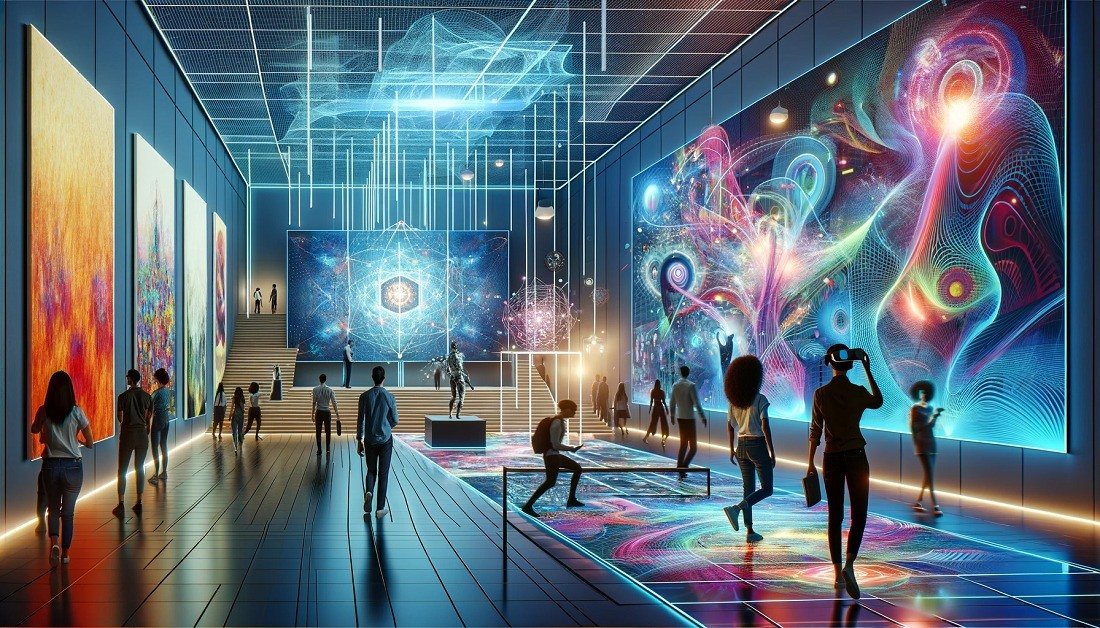
Digital Arts is not just about creating pretty pictures on a computer; it's changing the way we think about and experience art. Imagine walking into a gallery where the paintings change as you move, or wearing a headset to step into a virtual sculpture. That's the kind of innovative art experiences digital technology is creating. It's making art more interactive and accessible, allowing more people to engage with it in new ways.
On the scholarly side, Digital Humanities is transforming how we study and understand human culture. It's like having a super-powered magnifying glass that lets researchers see details in texts, historical data, and cultural artifacts that were previously hidden. This means we can uncover new insights into everything from ancient literature to modern social trends. It's making humanities research more dynamic and insightful. Make sure your research papers are polished to perfection by hiring our top writers to complete your 'write me a research paper' request in a professional manner, guaranteeing high-quality results.
Real-World Applications: Seeing Digital Arts and Humanities in Action
It's not just theory; these fields have real-world applications that are pretty cool. In Digital Arts, artists are working with everything from video game design to digital marketing, creating visuals that grab our attention and tell stories in new ways. In Digital Humanities, scholars are helping to preserve endangered languages, map historical events, and even analyze social media trends to understand our society better.
Bridging Gaps and Building Connections
One of the most exciting things about Digital Arts and Humanities is how they bring different people and fields together. Artists are collaborating with scientists, historians with computer programmers. This cross-disciplinary approach is leading to new discoveries and innovations, bridging gaps between art, technology, and humanities.
Challenges and Criticisms in Digital Arts and Humanities
Even with all its exciting possibilities, Digital Arts faces some challenges. One big issue is the digital divide. Not everyone has equal access to the technology and tools needed to create or even experience digital art. This means some artists and audiences might get left behind. It's a reminder that while digital art can be amazing, it needs to be accessible to everyone.
Digital Humanities also has its share of challenges. For one, there's a lot of data to handle, and sometimes it can be overwhelming. Scholars have to be careful not to get lost in the sheer volume of information and lose sight of their research goals. Another challenge is making sure digital methods don't overshadow traditional humanities research. It's about finding the right balance.
Addressing Criticisms: Keeping the Human in Humanities
Both fields also face criticisms. In Digital Arts, critics worry that technology might take away from the human touch that makes art so personal and expressive. In Digital Humanities, there's a concern about losing the nuanced understanding that comes from traditional methods of studying culture and history. It's a balancing act to keep the 'human' element strong while using digital tools.
Ethical Considerations and Intellectual Property
Another important area is ethics and intellectual property. In Digital Arts, questions about copyright and originality are always hot topics. Who owns a digital artwork, especially when it can be copied and shared so easily? In Digital Humanities, researchers need to consider privacy and ethical use of digital data, especially when dealing with sensitive cultural information.
Future Directions in Digital Arts and Humanities
As we look ahead, the future of Digital Arts seems brighter and more exciting than ever. We're likely to see even more blending of real and virtual worlds. Imagine art that's not just on a screen but all around you, in augmented reality (AR) or virtual reality (VR). Artists will continue to experiment with new technologies, pushing the boundaries of creativity. There's also a growing trend of using art to raise awareness about social and environmental issues, making art not just beautiful but meaningful.
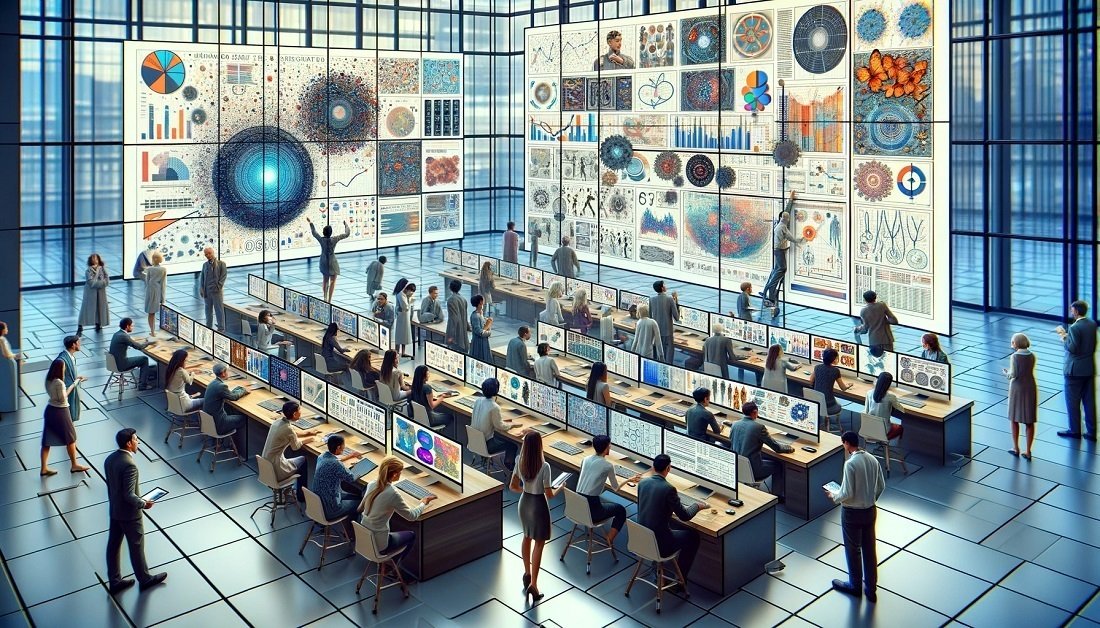
In the world of Digital Humanities, the future is all about expanding what we know and how we learn it. Scholars will be using more advanced tools for analyzing and visualizing data. This means deeper insights into everything from ancient civilizations to modern cultures. We can expect more collaborative projects, where people from different fields come together to explore the human experience. Technology like AI might start playing a bigger role, helping to analyze vast amounts of data more quickly.
Bridging Disciplines and Cultures
One of the most exciting things about the future of these fields is how they'll continue to bring people and disciplines together. We'll see more collaboration between artists and scientists, historians and technologists. This kind of cross-disciplinary work could lead to new discoveries and a better understanding of our world. It's also a chance to bring together diverse cultures, sharing and preserving different traditions and histories through digital means.
Preparing for the Challenges Ahead
Of course, with new developments come new challenges. Both fields will need to keep working on making technology accessible to everyone. They'll also have to address ethical concerns, like privacy and the responsible use of AI. But these challenges are also opportunities to think creatively and responsibly about how we use technology.
Final Thoughts: The Essence of Digital Arts and Humanities
As we wrap up our exploration of Digital Arts and Humanities, it's clear that these fields are much more than just the intersection of technology with art and academia. They represent a significant shift in how we create, interpret, and connect with art and culture. These disciplines have not only brought new tools and techniques into play but have also opened doors to more inclusive and interactive experiences. They challenge us to think differently about creativity, research, and the role of technology in our lives.
Looking ahead, the potential of Digital Arts and Humanities is vast. They promise a future where art is more accessible, and cultural understanding is deepened through innovative methods. As technology continues to evolve, so too will these fields, offering endless opportunities for those willing to explore and learn. This journey through Digital Arts and Humanities shows us that in a world where technology is ever-present, the blend of creativity, culture, and digital innovation will continue to enrich our lives in profound ways.
